Dublin · 2030 onwards

Truth is never simple.

Set in Dublin from 2030 onwards, the Niamh Kearney crime series follows investigations where machines are part of the crime, digital evidence can be manufactured, and the truth is never simple.

Dublin · A city of stories
“What happens to justice when real evidence can be called fake?”

The question beneath every case

The people

Niamh Kearney, Arjun Nair, Conor Fahy and Gráinne Walsh

The people behind the investigations — and the decisions that determine what evidence means.

Detective Sergeant Niamh Kearney

Niamh leads the Data Analysis Unit of the Garda National Digital Crime Bureau. A computer scientist before she became a Garda, she recognised early that AI-driven crime would outpace conventional policing. She wants to understand how criminals use the technology — and find ways to stop them.

Arjun Nair

Arjun is the civilian technician who built Wren alongside Niamh. He keeps the system running and is the one person who can match her technically. He has no Garda rank or power of arrest, and he is perfectly happy with that.

Detective Inspector Conor Fahy

Fahy heads the Bureau’s investigators. An experienced detective with a sceptical eye for technology, he is the building’s finest interviewer. He may not follow Niamh’s methods, but he knows the value of her results.

Detective Chief Superintendent Gráinne Walsh

Walsh heads the Bureau. Political, ambitious and acutely aware of the need to justify her unit’s existence, she knows that Niamh’s results matter — and that success comes with its own complications.

The system

Wren

The system that finds what people miss.

Built by Niamh Kearney and Arjun Nair, Wren is the Garda’s own artificial intelligence system, in service since 2028. It analyses digital evidence, identifies patterns and finds connections that might escape even the most experienced investigator.

Wren was trained to detect sophisticated fakes, from documents and voices to video and financial trails. It learns from every case, operates entirely on State-owned machines and keeps each investigation securely separate. Every report it produces is logged and traceable.

But Wren does not decide who is guilty. It identifies what deserves attention; human investigators must establish what the evidence proves.

Niamh named the system after the small bird in the old story that became king of the birds by riding on the eagle’s back. Within the unit, the name is Wren. To the wider force, it is simply the system.

Wren finds. People prove.

Evidence in. Reports out.

Built for investigation, not judgement.

Wren works within the Bureau’s secure environment. It searches, compares and identifies; people assess the evidence and make the decisions.
The investigations continue

More books to come

Niamh Kearney’s work is far from finished.

From cold cases that refuse to stay closed to stolen art and elections under threat, future investigations will explore how artificial intelligence is changing the nature of crime — and how investigators can use the same technology to uncover the truth.

A cold case reopened

How can modern AI help investigators find new answers in a case that has remained unsolved?

Stolen art

When art disappears, how can AI help investigators follow the evidence and uncover what has been hidden?

Stolen elections

What happens when the integrity of an election is threatened by digital manipulation?

Based in Dublin, Ireland, Niamh Kearney will take you on a journey into the hidden intersection of technology, crime and justice.

The crimes are evolving. So is the investigation.

The author

Rudolf J. Wortmann

Crime fiction rooted in Dublin and the changing world of digital evidence.

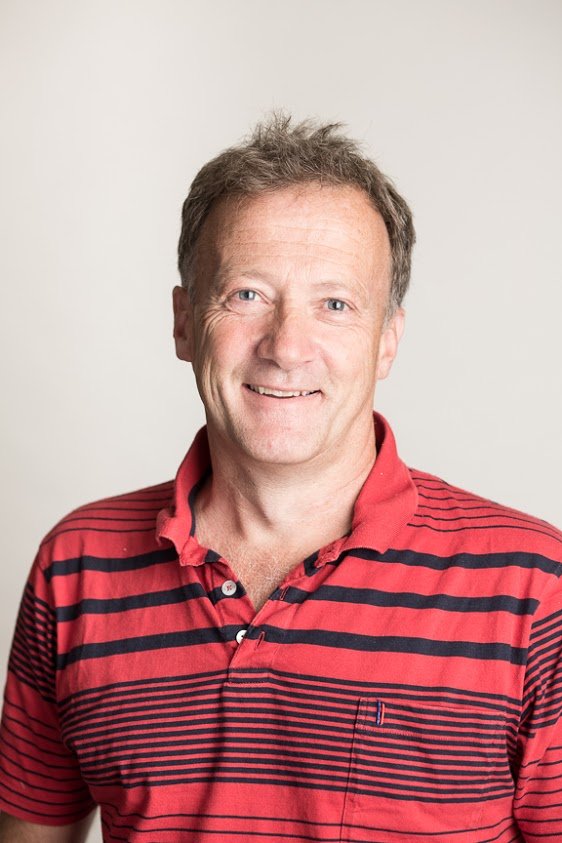
Portrait of author Rudolf J. Wortmann

Rudolf J. Wortmann is a Dutch-born writer based in Ireland. The Niamh Kearney series brings together Dublin, criminal investigation and the changing questions surrounding digital evidence.